Why Consider Dental Crowns Southgate CA After Tooth Injury?
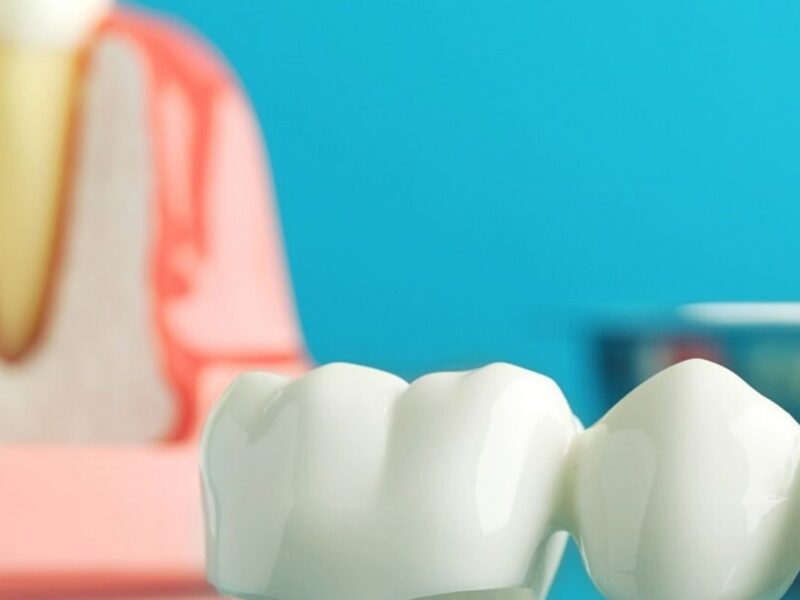

A tooth injury rarely arrives at a convenient moment. It happens during a weekend basketball game, over a fork that hit harder than expected, or after years of wear finally catch up with a back molar. What seems minor at first, a chip, a deep crack, sudden sensitivity, can turn into a structural problem surprisingly fast. Once a tooth loses enough strength, the question is no longer just how it looks. The real issue becomes whether that tooth can keep doing its job without breaking further.
That is where crowns often enter the conversation. For many patients asking about Dental Crowns Southgate CA, the goal is straightforward: save the tooth, restore function, and avoid a bigger problem later. Crowns are not the answer in every case, but after injury they are one of the most reliable ways to protect a damaged tooth that still has a healthy enough root to remain in place.
The value of a crown is easy to underestimate if you have never needed one. A lot of people think of it as a cosmetic cap. In practice, it is more like a custom-fitted protective shell that helps a weakened tooth handle everyday pressure again. Done well, it can restore comfort when chewing, improve appearance, and reduce the odds that the tooth will fracture beyond repair.
What tooth injury really does to a tooth
Teeth look solid, and they are strong, but they are not indestructible. A healthy enamel surface can handle a lot of force. The problem starts when impact, decay, grinding, or an old filling leaves the remaining tooth structure too thin or unstable.
A front tooth may chip after a fall or sports injury. A premolar can split from biting into something hard. Molars often crack around large, aging fillings because the natural tooth walls are already compromised. Sometimes the injury is obvious and dramatic. Other times, it is a hairline crack that only announces itself when you bite down and feel that quick, sharp jolt.
One detail matters more than most patients realize: a damaged tooth does not heal like skin or bone. Enamel does not regenerate. Dentin does not rebuild itself. If a tooth has lost structure, the dentist has to restore that structure artificially, and the restoration must be strong enough to withstand thousands of chewing cycles every day.
Small injuries can sometimes be treated with bonding or a filling. Larger injuries often need something more protective. That is the point where a crown becomes worth serious consideration.
Why a simple filling is not always enough
Fillings are excellent for replacing small to moderate areas of lost tooth material. They work best when enough healthy tooth remains to support the restoration. After an injury, though, the missing or weakened portion is often too extensive.
Imagine a molar with a deep crack across one cusp, or a tooth that has already had a large filling for years and then chips on one side. If you place another filling into a tooth like that, the restoration may fill the space, but it may not reinforce the tooth in a meaningful way. The remaining walls can still flex under biting pressure. Over time, or sometimes very quickly, that flex can turn a repairable tooth into a fractured one.
A crown addresses that weakness differently. Instead of patching one section, it covers the visible portion of the tooth and distributes force more evenly. That full coverage is often what gives the tooth a second life.
The core purpose of a crown after trauma
At its best, a dental crown does three jobs at once. It protects what remains, restores function, and stabilizes the tooth so it can continue serving you for years. Patients often focus on only one of those goals, usually appearance or pain relief, but the long-term protective role is just as important.
After injury, a tooth may still feel usable. You might chew on the other side, avoid cold drinks, or tell yourself you will watch it for a while. The trouble is that injured teeth often fail in stages. A crack gets deeper. A chipped edge catches and breaks more. The nerve becomes inflamed. Then what might have been manageable with a crown becomes a root canal plus crown, or worse, an extraction and implant discussion.
That progression does not happen every time, but it happens often enough that delaying care is rarely the cheaper or easier path.
When dentists often recommend crowns after an injury
There is no single rule that fits every case, but certain patterns come up again and again in practice. Crowns are commonly recommended when the tooth has lost too much structure to be safely restored with a filling, when a crack threatens the stability of the tooth, or when a root canal has left the tooth more brittle than before.
A back tooth is especially likely to need a crown because molars absorb heavy force. Even if the damaged area looks moderate in the mirror, the load during chewing can be significant. Front teeth are more nuanced. Some can be repaired beautifully with bonding or veneers if the damage is limited. Others, especially those with major fractures or internal damage, do better with crowns.
The decision also depends on where the break occurred. Damage near the gumline can be particularly tricky. So can fractures that extend under an old filling, or teeth with repeated repairs that have gradually lost too much natural material.
Here are some common signs that a crown may be part of the right solution after a tooth injury:
- Pain when biting or releasing pressure
- A large visible crack or missing section of tooth
- A tooth that has already had multiple fillings or a very large one
- Ongoing sensitivity after trauma
- A tooth treated with a root canal after the injury
Those signs do not guarantee you need a crown, but they usually justify a close clinical evaluation.
The difference between protecting a tooth and just fixing its appearance
This distinction matters, especially for front teeth. Many people naturally want the least invasive option, and that instinct is understandable. If the damage is small, bonding can be excellent. It is conservative, affordable relative to many alternatives, and often done in one visit.
But appearance can be deceptive. A front tooth with a clean-looking chip may also have an underlying crack pattern or weakened internal structure. If the tooth has been hit hard enough, the nerve may be compromised even when the surface damage seems modest. In those cases, choosing the smallest repair simply because it looks easier can backfire.
A crown is not always the most conservative route, and a good dentist should say so when another treatment would serve you better. Still, when protection is the priority, full coverage often provides more predictable durability than a partial repair.
What makes crowns especially useful for cracked teeth
Cracked teeth are among the most frustrating dental injuries because symptoms can be inconsistent. A patient may say, “It only hurts once in a while,” or “I can chew most things, but one spot sets it off.” That on-and-off pattern often leads people to wait.
Cracks behave differently from cavities. A cavity is a decayed area that can often be fully removed and filled. A crack creates movement. When you bite, the segments of the tooth can flex microscopically. That movement irritates the pulp inside the tooth and can deepen the fracture line over time.
Crowns help by holding the tooth together more effectively than a filling can. They reduce independent movement of weakened cusps and spread biting forces over a broader surface. In many cases, that is exactly what stops the symptom pattern from worsening.
There is an important caveat here. A crown cannot save every cracked tooth. If the crack extends too far below the gumline or into the root, the prognosis changes significantly. That is why prompt evaluation matters. The earlier a tooth is assessed, the better the chance that a crown can preserve it.
Crowns after root canal treatment
A tooth that needed a root canal because of trauma often benefits from a crown soon afterward, especially if it is a molar or premolar. Root canal treatment removes infected or inflamed tissue inside the tooth, which resolves pain and infection, but it does not reinforce the tooth externally. In fact, teeth that have been heavily restored or structurally compromised beforehand are often more vulnerable to fracture afterward.
This is one of the most common misunderstandings I see among patients. Once the pain Dental Crowns Southgate CA is gone, it is easy to feel that the problem is solved. Biologically, the infection may be resolved. Structurally, the tooth may still be at risk. A crown is what often completes the restoration and gives the tooth the support it needs for the long haul.
Not every root canal tooth needs a crown, but many do. Back teeth almost always deserve close consideration Dental Crowns Southgate CA because of how much pressure they handle. Front teeth can vary depending on how much natural structure remains.
Materials matter, but the right choice depends on location and habits
Patients often ask which crown material is “best.” The better question is which material is best for that tooth, in that mouth, under those conditions.
Porcelain or ceramic crowns can look very natural and are often favored for visible areas. Zirconia has become popular because it combines strength with an increasingly aesthetic appearance. Porcelain fused to metal crowns still have a place in some cases, though many practices now lean toward all-ceramic or zirconia options depending on the clinical situation.
Someone who grinds heavily at night places different demands on a crown than someone with a stable bite. A front tooth in the smile zone creates different cosmetic expectations than a second molar. If you are exploring Dental Crowns Southgate CA, the best treatment planning should include not just the damaged tooth but also your bite, parafunctional habits, smile line, and long-term maintenance.
This is where experience shows. Material selection is not a beauty contest between brands or buzzwords. It is a judgment call that balances strength, appearance, available space, and how the opposing teeth function.
What the process usually looks like
Crowns are routine dentistry, but they are still custom restorations. The tooth is shaped so the crown can fit precisely, impressions or digital scans are taken, and a temporary crown is often placed while the final one is made. At the delivery visit, the permanent crown is checked for fit, bite, and contour before cementation.
Some offices can complete certain crowns more quickly with in-house technology, while others send them to a dental lab. Neither route is inherently superior. What matters most is the quality of preparation, impression accuracy, lab communication, and final adjustment.
Patients are often pleasantly surprised by how much better a properly fitted crown can feel than a broken tooth they had been babying for weeks or months. Chewing becomes less tentative. Cold sensitivity often improves. That constant awareness of “something is wrong on that side” fades.
Why timing affects the outcome
There is a narrow but real difference between treating a damaged tooth early and trying to rescue it late. A tooth that is cracked but still stable may be a good crown candidate. The same tooth, after another few months of force and stress, may split vertically and become unrestorable.
I remember one pattern that repeats often in dental offices. A patient cracks a tooth, avoids the sore side, and gets through work, holidays, travel, or family obligations before finally booking. By the time they come in, the fracture has progressed or the nerve has become irreversibly inflamed. The treatment becomes more expensive and more involved than it needed to be.
That does not mean every chip is an emergency. It does mean pain, pressure sensitivity, visible cracks, and lost tooth structure deserve timely attention. Teeth usually do not get stronger while you wait.
Cost concerns are real, and so is the cost of postponing
No sensible discussion about crowns should ignore cost. A crown is an investment, and for many families it is a meaningful one. The temptation to choose the least expensive immediate fix is understandable.
The more practical view is to compare likely paths over time. A filling on a badly weakened tooth may be cheaper today but fail sooner. A fractured tooth that could have been crowned may eventually need a root canal, extraction, implant, or bridge. Each step tends to add cost, time, and complexity.
That does not mean the crown is always the right financial decision in every scenario. Sometimes the tooth is already too compromised, and putting money into it is not wise. Sometimes another restoration is entirely appropriate. The value of a good exam is that it separates those situations rather than treating every damaged tooth the same.
Questions worth asking before you move forward
A good consultation should leave you with a clear picture of what is damaged, what can be saved, and what the realistic alternatives are. If a crown is recommended, you should understand why that route is being chosen over a filling, onlay, veneer, or extraction.
These questions usually lead to useful answers:
- Is the tooth cracked, decayed, or both?
- How much healthy tooth structure is left?
- Would a large filling be likely to fail here?
- Does this tooth need root canal treatment before a crown?
- What happens if I wait a few months?
Those answers matter more than any sales language or generic reassurance.
How crowns fit into the bigger picture of oral health
A crown works best when it is part of a stable overall plan. If the tooth was injured because of trauma, the focus may be isolated to one area. If the real driver is grinding, clenching, acid wear, or an uneven bite, the crown alone may not solve the larger problem.
For example, a patient who fractures one molar often has a history of flattened biting surfaces, jaw tension, or multiple cracked fillings. In that case, protecting the restored tooth may also involve a night guard or bite adjustment. Someone with recurrent decay around old dental work may need a harder look at home care, dry mouth, or diet. Long-term success comes from treating causes, not just consequences.
This is also why follow-up matters. A new crown should feel comfortable in the bite. If it feels high, catches floss oddly, or keeps the gum irritated, it should be checked. Small adjustment issues are much easier to correct early.
Choosing a provider for Dental Crowns Southgate CA
When people search for Dental Crowns Southgate CA, they often start by comparing reviews, availability, and price. That is reasonable, but crowns reward precision. This is a restoration you chew on every day, often for many years. The quality of diagnosis and execution matters.
Look for a dentist who explains what they see in practical terms, not just technical jargon. You want to hear whether the tooth is truly restorable, whether there is evidence of a crack extending too far, whether the nerve appears involved, and what the alternatives would mean for function and longevity. Good treatment planning is rarely rushed. It balances what is ideal with what is realistic for the patient in front of the dentist.
The best conversations are usually calm and specific. You should not feel pushed into treatment, but you also should not leave uncertain about the risk of delay.
The bottom line after a tooth injury
A dental crown is not simply a cover for a damaged tooth. After injury, it is often the restoration that gives a weakened tooth its best chance to remain useful, comfortable, and intact. When enough structure has been lost, when cracks are present, or when root canal therapy has already been needed, a crown can make the difference between preserving the tooth and losing it later.
That is why crowns come up so often in post-injury treatment planning. They are not glamorous, and they are not always the least expensive immediate option, but they are one of the most dependable tools dentists have for reinforcing teeth that still deserve to be saved.
If you are dealing with a chipped, cracked, or painful tooth and wondering whether a crown makes sense, the smartest next move is a thorough exam sooner rather than later. The earlier you know what kind of damage you are dealing with, the more options you usually have, and the better your chances of keeping the tooth on your terms.
Simple Dental South Gate
Address: 8617 California Ave, South Gate, CA 90280
Phone number: +13236896118
FAQ About Dental Crowns Southgate CA
How much do crowns cost per tooth?
In the United States, a single dental crown typically costs between $800 and $2,500 per tooth without insurance. The ultimate out-of-pocket price depends heavily on the crown material, the location of the tooth, and whether you have dental insurance coverage.
What is the downside of crowns on teeth?
The primary downside of a dental crown is that the procedure permanently removes natural tooth enamel to shape the tooth for the cap.
Why do dentists push for crowns?
Dentists recommend crowns because a large filling cannot provide enough strength when a tooth loses a major portion of its structure or faces heavy chewing pressure.