Dental Crowns and Tooth Sensitivity: What You Should Know
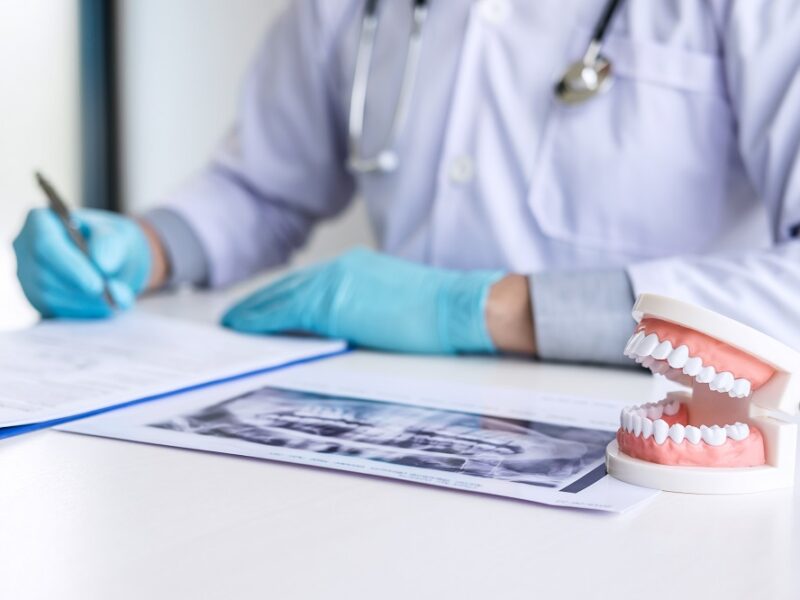
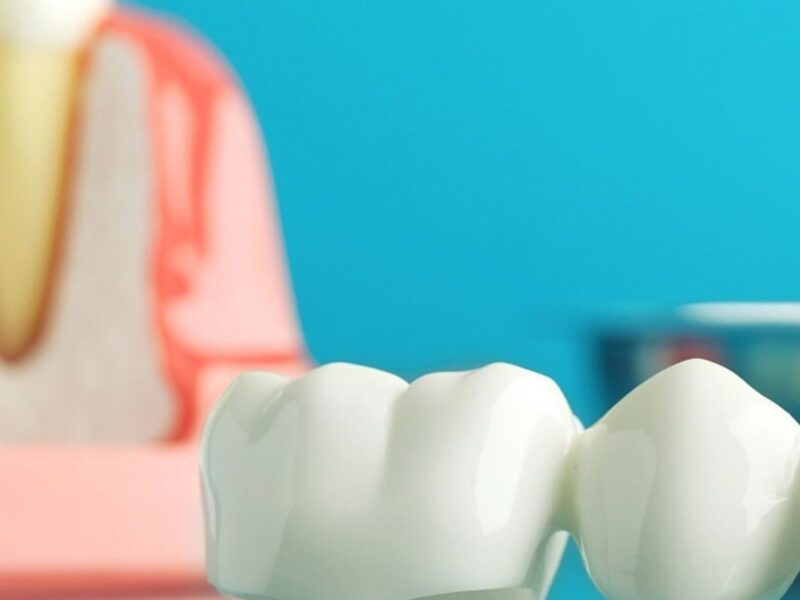
A crown is supposed to protect a damaged tooth, restore chewing strength, and help you forget that the tooth ever caused trouble in the first place. So when a patient feels a sharp zing from cold water, or a dull ache when biting down after getting a crown, the reaction is almost always the same: something must be wrong.
Sometimes that instinct is right. Sometimes it is not.
Tooth sensitivity after a crown is common, especially in the first days or weeks. The tooth has been drilled, shaped, dried, cemented, and asked to adapt to a new restoration that changes how force travels through it. Even when the crown fits beautifully and the nerve remains healthy, the tooth may still complain for a while. At the same time, sensitivity can also be an early clue that the bite is off, the cement seal is imperfect, or the nerve inside the tooth is struggling.
The useful question is not simply whether sensitivity is normal. The useful question is what kind of sensitivity you are feeling, how long it has lasted, and what it suggests about the tooth underneath the crown.
Why crowned teeth can feel sensitive at all
Many people assume a crown sits on top of the tooth like a cap on a bottle. In reality, the process is more involved. To place most dental crowns, the dentist reduces the outer tooth structure to make room for the material. That preparation brings the surface closer to the pulp, which is the soft tissue inside the tooth that contains the nerve and blood supply.
Even if the tooth had no pain before treatment, the nerve can become irritated from the preparation itself. Think of it less as damage and more as inflammation. The tooth has gone through a controlled trauma. Most healthy teeth settle down once the nerve calms and the supporting tissues adapt.
Sensitivity can also come from the gumline. When a crown margin sits near the gums, those tissues may feel tender after the procedure, especially if a retraction cord was used to expose the edge of the tooth during impression taking or digital scanning. Some patients describe this as tooth pain when it is really a sore gum wrapping around the crowned tooth.
Then there is the bite. A crown that is even slightly high can turn an ordinary chewing force into repeated stress on a single tooth. I have seen patients describe this as sensitivity, pressure, soreness, or “a weird awareness” of the tooth. They may not say the crown hurts exactly. They just know it does not feel like the neighboring teeth.
Material matters too. Porcelain, zirconia, metal, and layered ceramic crowns all behave a bit differently, but the bigger factor is often how much natural tooth remained before treatment. A heavily filled molar with thin remaining walls is more likely to act up than a tooth that needed only modest reshaping.
The difference between normal healing and a problem
This is where details matter. Mild temperature sensitivity, especially to cold, is often part of normal recovery. So is minor tenderness when chewing for a short period. These symptoms usually improve, not worsen.
Problematic sensitivity tends to follow a different pattern. It may become more intense after the first week rather than less. It may wake you at night, linger long after the trigger is gone, or show up as pain when you release your bite rather than when you press down. That last pattern sometimes points toward a crack in the remaining tooth structure, which can exist even after a crown has been placed.
Dentists listen carefully to how patients describe the pain because those descriptions often narrow the field quickly. A quick cold sting that disappears in a few seconds is a very different story from throbbing heat pain that hangs on for minutes.
In practice, I find that patients often worry most about the wrong symptom. They may focus on a brief cold response that is improving, while dismissing the more meaningful clue that the tooth feels tall when they chew. The tooth that feels “just a little high” can become seriously inflamed if left unadjusted.
What sensitivity feels like, and what those patterns can mean
Not every sensitive crown points to the same cause. The quality of the sensation often tells a useful story.
A sharp response to cold is common after crown placement and may reflect a healing nerve. If the pain is brief and trends downward over days to a few weeks, many dentists monitor it rather than rush into more treatment.
A dull ache when biting can come from a high bite, bruised ligament fibers around the root, or clenching. Patients who grind their teeth often notice this most in the morning. The crown itself may be fine, but the tooth is carrying more force than it should.
Pain when releasing the bite is one of the more important details to report. Dentists often associate this with a crack, either in the tooth beneath the crown or sometimes in a neighboring tooth that only seems to be the source.
Lingering pain to hot or cold, especially if it builds and then hangs around, raises concern for irreversible pulpitis, which means the nerve may not recover on its own. A root canal may become necessary even if the crown was placed correctly. That can be frustrating to hear, but it is not rare. Some teeth are already close to the edge before treatment begins, especially if they had deep decay, large fillings, or previous trauma.
A pressure sensation around the gumline can come from cement remnants, inflamed gum tissue, or food trapping near the crown margin. Patients sometimes call this sensitivity even though the problem is more periodontal than pulpal.
The timeline most dentists expect
The first forty eight hours are usually the most active period. The tooth and gums have fresh mechanical irritation, and numbness may have allowed you to clench differently without noticing during the appointment. Cold sensitivity, mild pressure, or general tenderness can be expected.
By the end of the first week, symptoms should at least be trending in Dental Crowns the right direction. The tooth may not feel perfect, but it should feel less reactive. If chewing feels awkward or the crown seems to hit first, that deserves a bite check sooner rather than later. A tiny adjustment can make a dramatic difference.
Over two to six weeks, a mildly irritated nerve often settles. This window varies. Younger patients with larger pulp chambers sometimes report more temporary sensitivity because their nerves are more robust and reactive. Teeth that had extensive work beforehand may take longer or may never fully quiet down without further treatment.
What should not happen is a steady escalation. If a patient tells me the crown was “annoying at first but now it is really starting to hurt,” I worry more than when they tell me it was “pretty sensitive for three days and now only cold bothers it a little.”
Bite issues are one of the most common culprits
If you remember nothing else, remember this: a crown that is slightly too high can make a healthy tooth act sick.
Teeth are suspended in bone by the periodontal ligament, which is remarkably sensitive. That ligament can detect very small changes in force, often before the patient can clearly describe them. When a crown hits first or harder than the surrounding teeth, the ligament becomes inflamed. The tooth may feel sore to tap, tender to chew on, or strangely “elevated.”
This kind of discomfort is often easier to fix than true nerve damage. The dentist marks the bite with articulating paper, adjusts the high spots, polishes the crown, and reassesses. Patients frequently notice relief within a day or two, sometimes almost immediately.
The tricky part is that bite problems are not always obvious in the chair. A patient lying back, numb, and biting on command does not always reproduce the same chewing pattern they use while eating dinner. That is why a good post-cementation bite check includes listening carefully to the patient’s report, not just trusting the marks on the paper.
The crown may be fine, but the nerve may still fail
This surprises people, and it is worth stating plainly. A technically excellent crown can still end in root canal treatment.
The reason is biology, not necessarily craftsmanship. The tooth may have had a large old filling, recurrent decay, crack lines, or years of cumulative stress. The crown procedure asks that tooth to tolerate additional drilling and manipulation. Most teeth do. Some do not.
When the pulp cannot recover, the symptoms usually become more specific. The tooth may develop spontaneous pain, lingering thermal sensitivity, or discomfort that shifts from occasional to persistent. Sometimes the patient says the pain is hard to localize, then a few days later they can point to the exact tooth.
If a root canal is needed after crown placement, the next question is whether the crown must be remade. Often it does not. Many root canals can be performed through an existing crown by creating a small access opening, then sealing it afterward. Whether that is ideal depends on the crown material, the position of the tooth, and how much structural support remains.
Temporary crowns deserve their own discussion
Temporary crowns are notorious for sensitivity, and not because something went terribly wrong. They are, by design, provisional. They protect the prepared tooth between visits, but they do not seal or insulate as well as the final restoration.
A temporary may allow more temperature transfer. It may flex slightly. The margins are not usually as precise as the final crown. Patients often notice cold sensitivity, rough chewing, or tenderness near the gumline while wearing one.
That said, a temporary crown should not create severe pain. If the tooth is very sensitive with the temporary, it is worth mentioning before the final crown is delivered. That information can help the dentist judge whether the nerve is simply irritated or heading toward failure.
Cement, margins, and fit can also play a role
Crowns succeed when they fit closely to the tooth and seal the margins well. If there is an open margin, recurrent decay can eventually form, but early on the patient may simply notice sensitivity. Cement washout, though less common with modern materials and technique, can also contribute to leakage and irritation.
Sometimes the fit issue is not large enough to be visible to the patient but large enough to trap food or irritate the gum. A patient will often describe this as “it hurts after I eat” or “something feels stuck around that crown all the time.” On examination, the problem may be excess cement under the gum, a slightly overcontoured crown that presses on the tissue, or an open contact where food packs between the teeth.
These issues matter because patients often assume all discomfort after dental crowns must be nerve related. It is easy to miss a gum or contact problem if the conversation focuses only on hot and cold.
Bruxism changes the whole picture
Patients who clench or grind usually have a narrower margin for error after crown placement. A tooth that might have settled quietly in a non-grinder can become symptomatic under repeated heavy force.
I have seen this especially in lower molars and upper premolars, where bite pressure concentrates quickly. The patient reports that the crown felt fine for a day or two, then became sore after a stressful week or after waking with jaw tightness. The crown may need minor adjustment, but the bigger issue is parafunction, meaning force outside normal chewing.
A night guard can make a substantial difference in the right patient. It does not solve every sensitivity problem, but it can protect the tooth, reduce ligament inflammation, and lower the chance of a crack worsening under the crown.
Home care that helps, and home care that makes things worse
Gentle care is better than heroic care. Patients sometimes respond to a sensitive crown by brushing harder around it, chewing only on that side “to test it,” or repeatedly drinking hot and cold liquids to see whether the pain is still there. None of that helps.
A soft toothbrush, normal but careful flossing, and avoiding extreme temperature challenges for a few days are sensible. If the dentist has recommended a sensitivity toothpaste, use it consistently rather than once or twice. These products are rarely instant, but they can help over time.
Be careful with very sticky foods when a temporary crown is in place. I have seen more than one temporary dislodged by caramel, taffy, or dense chewing gum. Once a temporary loosens, sensitivity often spikes because the prepared tooth is less protected.
If you are given instructions to take an anti inflammatory medication and you can do so safely, follow that advice as directed. For some patients, a short course helps settle the ligament and surrounding tissues after crown placement.
When to call the dentist
A good rule is simple: call if the sensitivity is intense, worsening, or not improving on a reasonable timeline. More specifically, these situations deserve prompt attention:
- the crown feels high or hits before the other teeth
- pain lingers for a long time after hot or cold
- chewing produces sharp pain, especially on release
- the tooth throbs on its own or wakes you at night
- the temporary crown comes loose or the final crown feels mobile
None of those signs automatically means the crown has failed. They do mean the tooth needs a closer look.
What your dentist may do to evaluate the problem
The exam usually starts with the basics. Dentists ask when the sensitivity began, what triggers it, how long it lasts, and whether it is improving. Then they check the bite, tap the tooth, test temperature response when appropriate, examine the gums, and take an X ray if needed.
From there, the path depends on what the tooth reveals. A bite adjustment may be enough. If gum inflammation is the main issue, removing excess cement or smoothing a rough area can solve it. If the nerve appears irreversibly inflamed, root canal treatment may be discussed. If a crack is suspected, the conversation becomes more nuanced because cracks vary widely in depth and prognosis.
The most useful thing a patient can bring to that visit is a clear description. “It hurts” is understandable but limited. “Cold hurts for two seconds, but biting on bread is fine” tells a different story from “it feels fine until I chew something firm and then I get a stab when I let go.”
Special situations that make sensitivity more likely
Some crowned teeth start from a harder place than others. Teeth with very deep fillings, previous trauma, large areas of decay, or old fractures already have stressed pulp tissue. They may have no symptoms before the crown, then become symptomatic afterward because the remaining nerve reserve was thin.
Lower molars can be especially dramatic because they absorb substantial chewing force. Front teeth, by contrast, may show more temperature sensitivity than bite tenderness. Patients having multiple crowns at once can also struggle to identify the exact source, particularly if anesthesia and post-procedure soreness blur the early picture.
Age plays a role, though not in a perfectly predictable way. Younger teeth have larger pulps and can be more reactive. Older teeth may have smaller pulps and sometimes less thermal response, but they may also carry decades of wear, cracks, and restorations.
Questions patients often ask about dental crowns and sensitivity
One common question is whether sensitivity means the crown was placed incorrectly. Not necessarily. Sensitivity can happen even when the tooth was prepared properly, the fit is good, and the bite is close. The mouth is a biological system, not a machine. Healing varies.
Another question is whether a crown “kills the nerve.” It does not, at least not by definition. Many crowned teeth remain vital for life. But the procedure can stress a nerve enough that a compromised tooth eventually needs a root canal.
People also ask how long they should wait before worrying. Mild, improving sensitivity can be watched for a short period, often a couple of weeks, sometimes longer depending on the case and the dentist’s findings. Significant pain, worsening pain, or obvious bite interference should not be watched passively.
A final concern is whether replacing the crown will solve the issue. Sometimes yes, especially if fit or contour is the problem. Sometimes no, because the true issue is the nerve, the bite pattern, or a crack in the tooth. Replacing a crown without identifying the source can waste time and money.
The practical takeaway
Most sensitivity after dental crowns is manageable. A fair amount of it is temporary. Teeth often need time to calm down after being prepared and restored. But time should bring progress. That is the key distinction.
If the tooth is slowly settling, the odds are good that normal healing is underway. If the tooth is becoming more reactive, the bite feels wrong, or pain starts to linger or throb, the crown needs to be checked. In many cases, the fix is straightforward. In others, the crown has simply uncovered a problem the tooth was already heading toward.
The best outcomes usually come from early follow up, specific symptom reporting, and a dentist willing to separate ordinary post-treatment sensitivity from the signals that deserve action. A crowned tooth should eventually fade back into the lineup and feel like part of your mouth again. If it keeps asking for your attention, there is usually a reason, and it is worth finding.
Simple Dental South Gate
Address: 8617 California Ave, South Gate, CA 90280
Phone number: +13236896118
FAQ About Dental Crowns
How much do crowns cost per tooth?
In the United States, a single dental crown typically costs between $800 and $2,500 per tooth without insurance. The ultimate out-of-pocket price depends heavily on the crown material, the location of the tooth, and whether you have dental insurance coverage.
What is the downside of crowns on teeth?
The primary downside of a dental crown is that the procedure permanently removes natural tooth enamel to shape the tooth for the cap.
Why do dentists push for crowns?
Dentists recommend crowns because a large filling cannot provide enough strength when a tooth loses a major portion of its structure or faces heavy chewing pressure.